
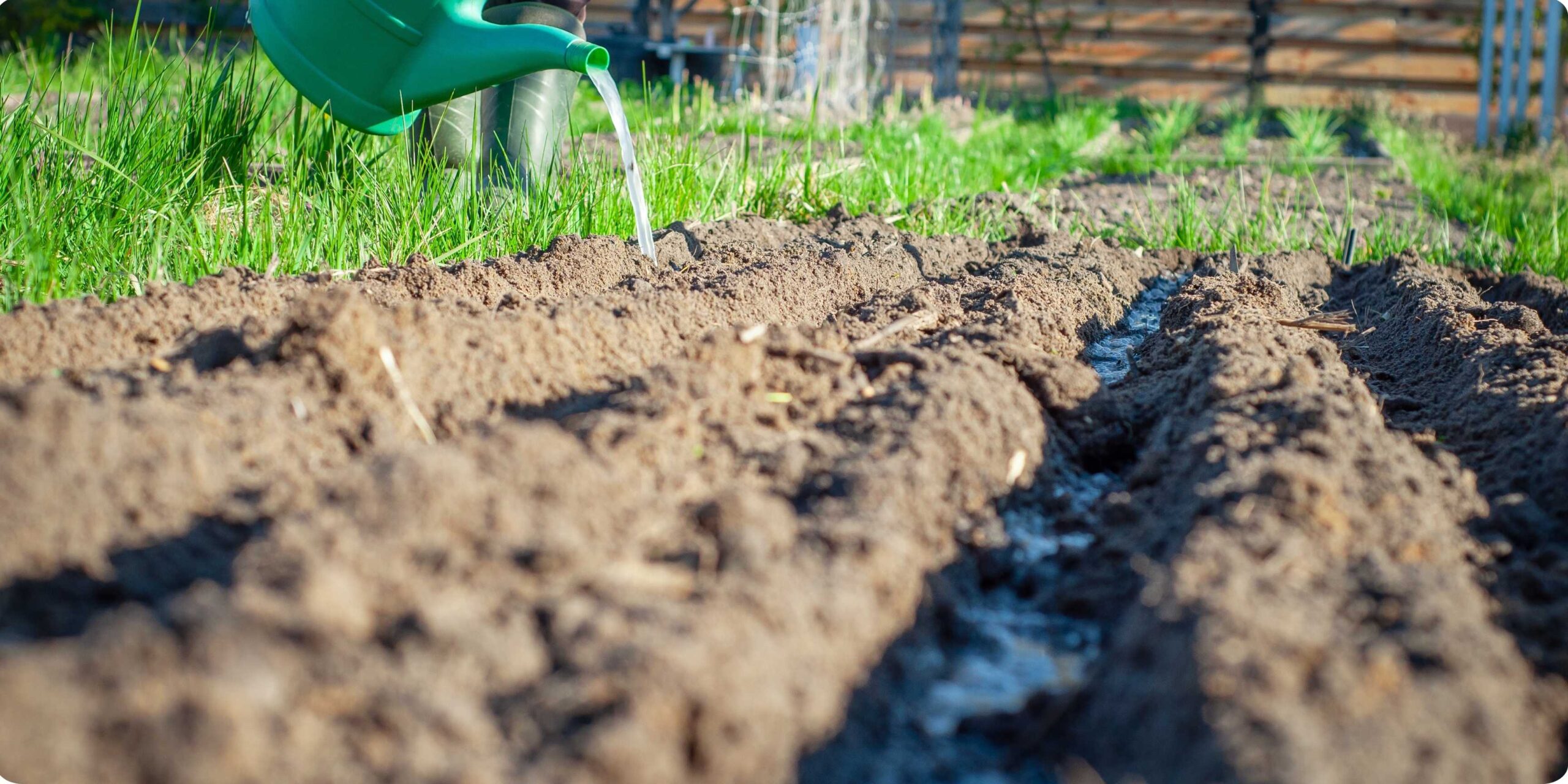
Diversion Furrows for Catching Water for Food Production
Rainwater is often lost from gardens, homesteads, and fields as runoff, rather than soaking into the soil where it can support food production. As part of the Amanzi for Food project, diversion furrows are introduced as a simple and effective rainwater harvesting practice that helps catch, guide, and use rainfall more productively.
This microlearning unit forms part of the Amanzi for Food learning pathway on Catching Water for Food Production. It introduces diversion furrows as a low-cost, low-technology method that can be used at household, homestead, and small-scale farming levels. The focus is on understanding how water moves across the land and learning how to slow, spread, and direct runoff water to support food production and soil health.
This microlearning unit is designed for:
- Households and home gardeners
- Homestead and small-scale food producers
- Community facilitators and extension workers
- Teachers and trainers working with water, food production, and sustainability
The aims of this microlearning unit are to:
- Introduce the concept of diversion furrows and how they work
- Explain why diversion furrows are useful for catching rainwater for food production
- Support students to observe water flow and runoff in their own context
- Build practical understanding of how to plan and dig simple diversion furrows
- Encourage safe and effective use of diversion furrows to reduce erosion and improve soil moisture
- Support learning through observation, practice, and reflection

How to use this course
- Work through the sections in order
- Observe how rainwater moves in your own garden, homestead, or field
- Try out small, practical actions where possible
- Reflect on what you notice and how the soil and plants
- Complete the knowledge check at the end to consolidate your learning