
Using Greywater at Home
Using greywater at home is the simplest and safest place to start. Household greywater reuse usually involves collecting water in buckets or containers and applying it directly to the soil around suitable plants.
This session focuses on small, everyday actions that can make a real difference to water use and food production.

What counts as household greywater use?
Household greywater use means:
- Reusing bath, shower, basin, or laundry water.
- Applying it immediately to the soil.
- Using no pumps or complex systems.
- Starting small and observing results.
This approach works well for:
- Home gardens
- Fruit trees
- Small vegetable beds
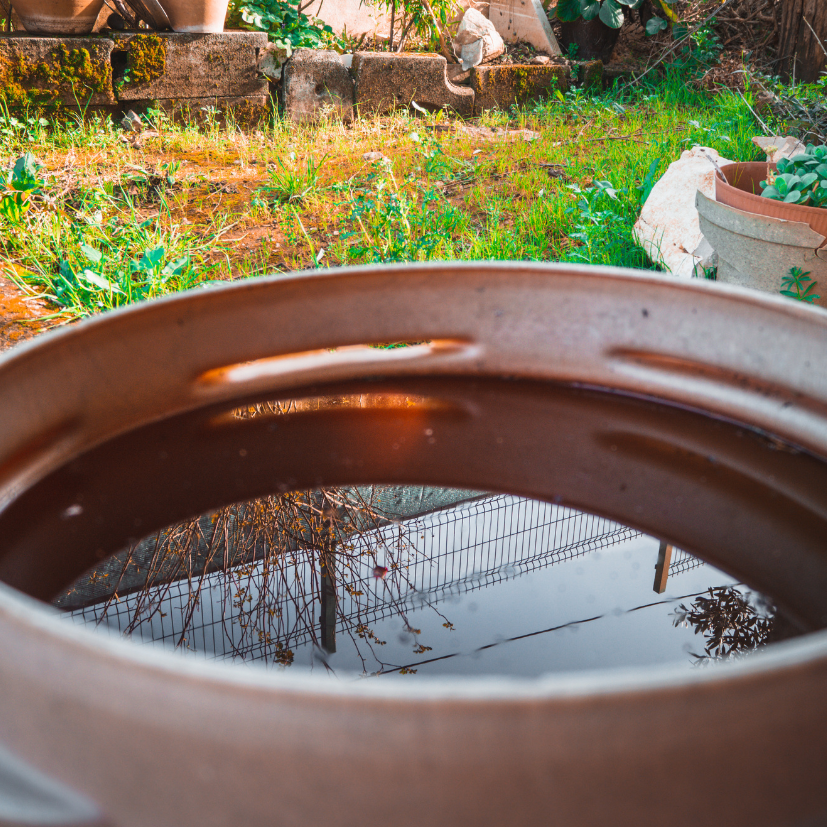
What you will need.
You do not need expensive equipment. Most households already have what is needed.
You will need:
- A bucket or container to collect greywater.
- Access to suitable greywater (bath, basin, or laundry water).
- Plants where the edible parts grow above the ground.
- Mulch (dry leaves, straw, grass cuttings, or similar).
Step-by-step: How to use greywater at home
Step 1: Collect the greywater
Collect greywater from bathing, washing hands, or doing laundry. Do not collect toilet water or water used to wash nappies.
Step 2: Use it as soon as possible
Greywater should be used on the same day. Do not store it for longer than 24 hours, as bacteria can grow and make the water unsafe.
Step 3: Apply directly to the soil
Pour greywater onto the soil, close to the roots of plants. Do not pour greywater onto leaves or edible parts of plants.
Step 4: Choose suitable plants
Greywater is best used on:
- Fruit trees
- Maize
- Beans
- Tomatoes
- Spinach and other leafy vegetables (soil application only)
Avoid using greywater on plants where the edible part grows underground, such as carrots or potatoes
Step 5: Add mulch
Cover the soil with mulch where greywater is applied. Mulch helps:
- Reduce smells,
- Improve soil health
- Support the natural breakdown of soap residues
- Reduce evaporation
Step 6: Alternate with fresh water
Do not use greywater all the time in the same place. Alternate between greywater and fresh water to help prevent soap and salt build-up in the soil.
What to avoid
When using greywater at home:
- Never drink greywater.
- Do not spray greywater onto leaves.
- Do not store greywater for long periods.
- Avoid using strong or salty detergents.
- Do not use greywater in areas that become waterlogged.